Glasgow, Edinburgh and the Central Belt
Dry rot, wet rot and woodworm, told apart properly
Most people cannot tell which of the three they are looking at, and a fair share of what looks alarming turns out to be old damage that stopped years ago. A survey settles which it is before you spend anything on treatment.
- Looked at before it is pricedNobody can quote this from a photo
- You get it in writingWhat is wrong, and what it will take
- Central Belt onlyTwo teams, West and East

Which side of the country are you on?
We work as two teams, one covering the West and one the East. Pick yours and you will get the one that actually covers your postcode.
Three problems, one survey
They look similar and they are not
Treating the wrong one wastes money, and treating dry rot as though it were wet rot leaves it spreading behind the repair.
Dry rot
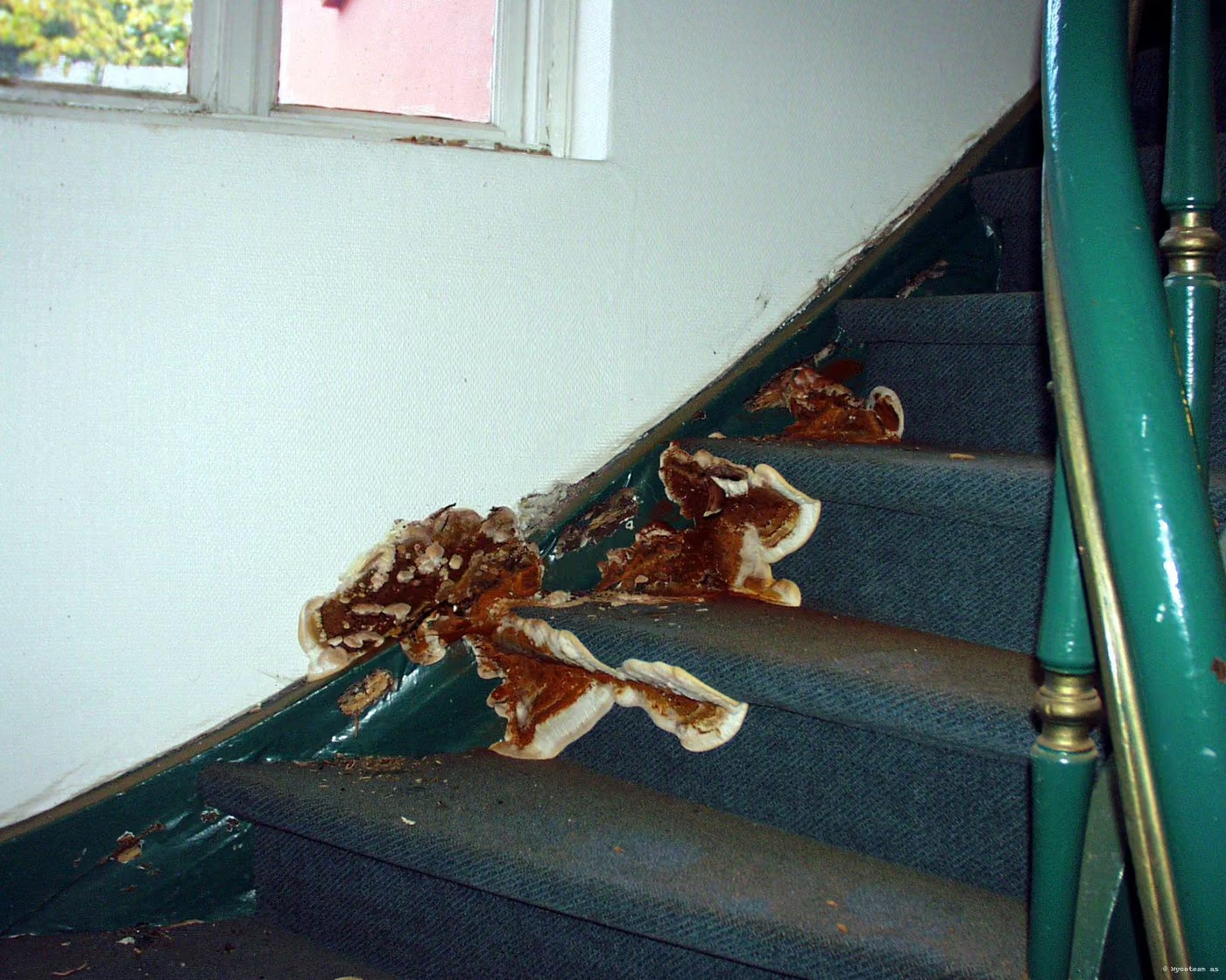
The one that travels. Serpula lacrymans can push through masonry to reach dry timber several metres from the water that started it, which is why the repair almost always reaches further than the damage you can see.
Read moreWet rot
Commoner than dry rot and usually cheaper to put right. It stays where the water is, so fixing the leak and replacing the soft timber is often the whole job. Window sills, joist ends and the bottom of door frames.
Read moreWoodworm
Beetle larvae in the timber, most often the common furniture beetle. The important question is not whether there are holes, it is whether anything is still living in there, and that is a question you can partly answer yourself.
Read moreHow it works
A look, then a price, in that order
Timber decay is one of the few trades where an honest quote genuinely cannot be given over the phone. The visible damage is the end of the problem, not the extent of it. Wet rot in a window sill might be exactly what it appears to be. The same soft patch at a joist end may mean the joist has been sitting in a damp wall for a decade, and nobody knows which until somebody lifts a board.
So the first visit is a survey. Somebody comes out, opens up enough to see what is happening, works out where the water is coming from, and writes down what they found. You get that in writing whether or not you go ahead with any work.
Some of this is genuinely a DIY job. Surface woodworm in a piece of furniture, or a few soft inches at the end of a window sill, is work a competent person can do at a weekend with a tin from a merchant. We will tell you when that is the case. It is the only way you have any reason to believe us when we say the thing under your floor is not.
Why Scottish property gets this more than most
The building stock is the reason. Sandstone tenements put timber joist ends directly into solid masonry walls with no cavity and no damp proof course, so anything wetting that wall wets the joist. Suspended timber floors sit over unventilated voids where an airbrick blocked by a flowerbed or a later extension is enough to raise the humidity to where fungus is happy. Shared roofs, gutters and downpipes under tenement law belong to everybody and therefore, in practice, often to nobody, so a cracked hopper can run down the same patch of wall for years before anyone inside notices a stain.
Add Scottish rainfall to lath and plaster and you have the conditions this trade exists for. It also means a lot of what we get called to is not new. It is old damage from a leak somebody fixed in 1998, which is worth establishing before anyone starts pulling out timber.
Tell us what you are looking at
Three questions, and you do not need to know which problem you have. Not sure is the most common answer and it is a perfectly good one.